One inbox for everything. The end of chaos
Email in Gmail, WhatsApp on a phone, calls on a sticky note and portal messages unopened. Why a firm needs a single inbox per client — and what changes once it has one.
 By Roberto Rubio5 min read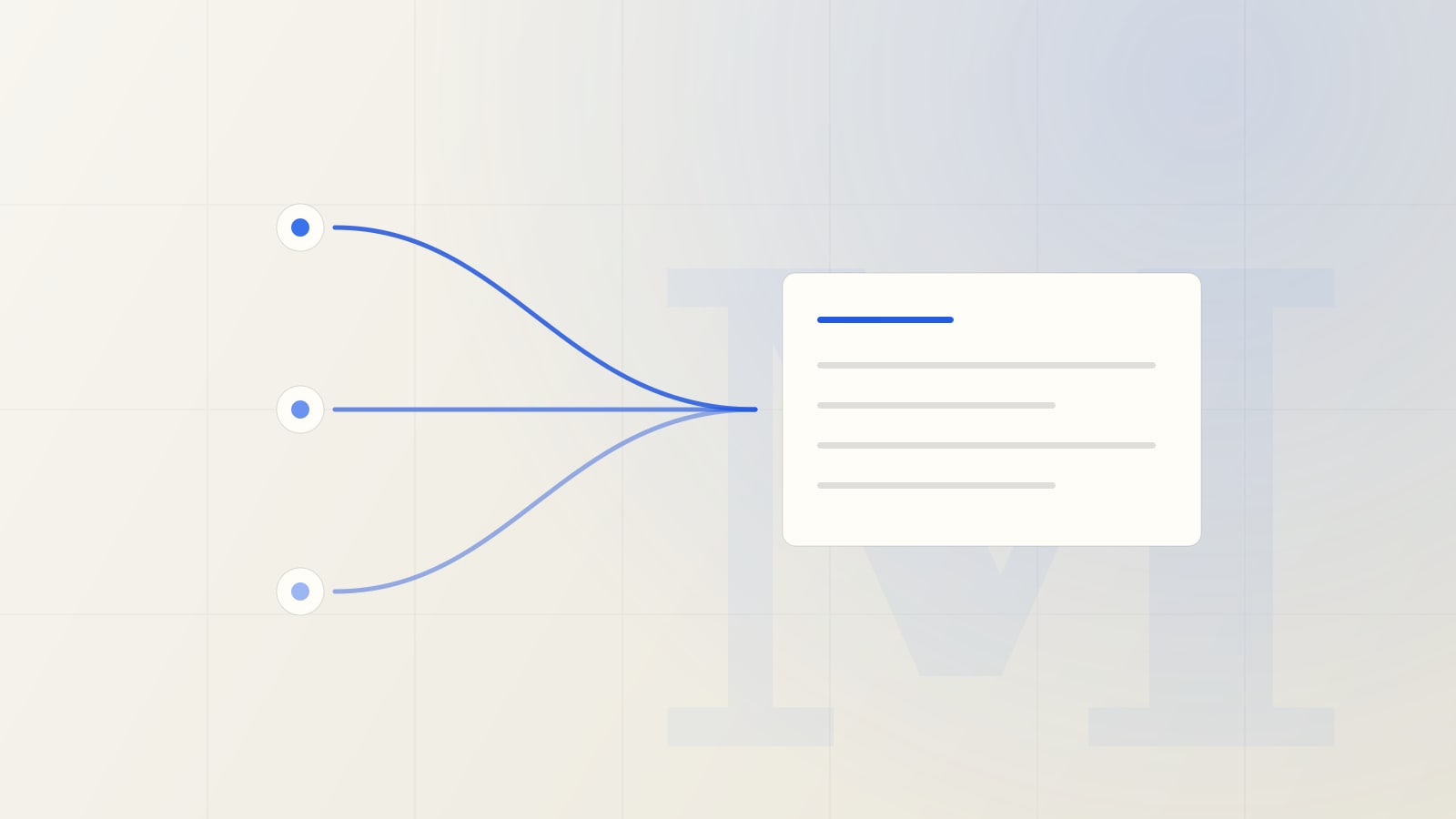
Think of any client of your firm and where, right now, everything they’ve discussed with you actually lives. A couple of emails in one lawyer’s Gmail. A WhatsApp thread on another’s personal phone. A call from two weeks ago that someone half-remembers. A message they left in the portal that nobody ever opened. Every piece is in a different place, and no single person at the firm sees the whole.
That is the default state of almost any firm, and it isn’t a problem of personal untidiness. It’s a problem of architecture: the tools a firm uses to talk to its clients aren’t built to talk to each other. The result is a quiet chaos that only becomes visible the day you have to reconstruct what was said, when, and by whom.
The problem isn’t volume, it’s fragmentation
A firm doesn’t drown from receiving a lot of messages. It drowns from receiving them across channels that don’t connect. An important email can be buried under fifty irrelevant ones; a WhatsApp carrying a client instruction can live forever on a phone no one else can reach; a call that changes the course of a matter can leave no trace at all.
Fragmentation carries a cost that appears on no invoice but gets paid all the same. It’s paid in the time lost hunting for “where was that email.” It’s paid in the mental energy of holding the state of every conversation in your head. And it’s paid, above all, in risk: an instruction that exists only in a private channel is an instruction the firm can neither evidence nor recover if that person is away.
Two lawyers, one client, zero coordination
The clearest symptom shows up when two people at the firm handle the same client. One replied by email on Monday. The other got a WhatsApp on Tuesday and answered it, unaware of what had been said on Monday. The client — who does know everything, because to them it’s a single relationship — sees two versions of the firm that don’t talk to each other.
It’s no one’s negligence. It’s the inevitable consequence of a conversation split into as many pieces as there are channels. Each lawyer sees their piece and acts on it in good faith, but nobody sees the whole thread. And a firm that can’t see the whole thread of a client can’t give that client the service they believe they’re getting.
What a single inbox is (and isn’t)
The answer isn’t to ban channels. The client will keep writing wherever it’s convenient for them, and telling them to use email only is a fight against reality. The answer is for all those channels to end up in the same place: a single thread per client and per matter, where email, WhatsApp, the logged call and the portal message appear in order, in view of the whole matter team.
A single inbox is not a bigger email inbox. It’s a change of unit: instead of organising the conversation by channel — the Gmail folder, the WhatsApp app, the call list — you organise it by matter. The question stops being “which channel was that in?” and becomes “what has been discussed with this client?”, which is the only question that really matters.
How Mandato solves it
In Mandato, the firm’s email accounts — Gmail and Outlook — connect and show in a single inbox, with each message linked to its matter. Replies go out from the address you’ve always used, so nothing changes for the client; what changes is that the conversation sits on the matter and not in a lawyer’s private inbox.
The firm’s WhatsApp lands in that same thread. Through a firm-owned WhatsApp Business number, onboarded with an official API provider, the client’s messages come in and replies go out from the matter, instead of living on a partner’s personal phone. And calls and meetings are logged as another entry on the matter: no one records them, but they’re noted with their date, their author and what was agreed — which is exactly what usually gets lost.
On top of all that, the client portal closes the loop: the client sees the state of their matter and their documents in their own language, and what they write there appears on the same matter as everything else. Four channels, one thread.
What changes when it all lives in one thread
When a client’s conversation lives in a single place, the day-to-day of the firm gets lighter in a way that’s hard to appreciate until it happens. A lawyer picking a matter back up understands it at a glance, with nothing to reconstruct. A colleague covering for someone on leave sees exactly what was said, without calling anyone. A partner reviewing a matter before a meeting doesn’t depend on the memory of three people.
And there’s something deeper than convenience. A firm that keeps the full conversation of each client — with date, authorship and context — is a firm that can evidence its relationship with that client, meet its record-keeping duties better, and not be left at the mercy of a departing lawyer’s phone. The single inbox starts out as a matter of tidiness and ends up as a matter of control.
The chaos of five inboxes isn’t inevitable. It’s simply what happens when nobody has decided otherwise. Deciding otherwise — gathering every channel into one thread per client — is one of the cheapest and most rewarding management decisions a firm can make today.
Less admin. More law.
Mandato brings matters, communications, billing and compliance into one platform built for firms in Spain.